
The Lin Playbook
The Taiwanese quietly establishing Australia's most ambitious private property platform.
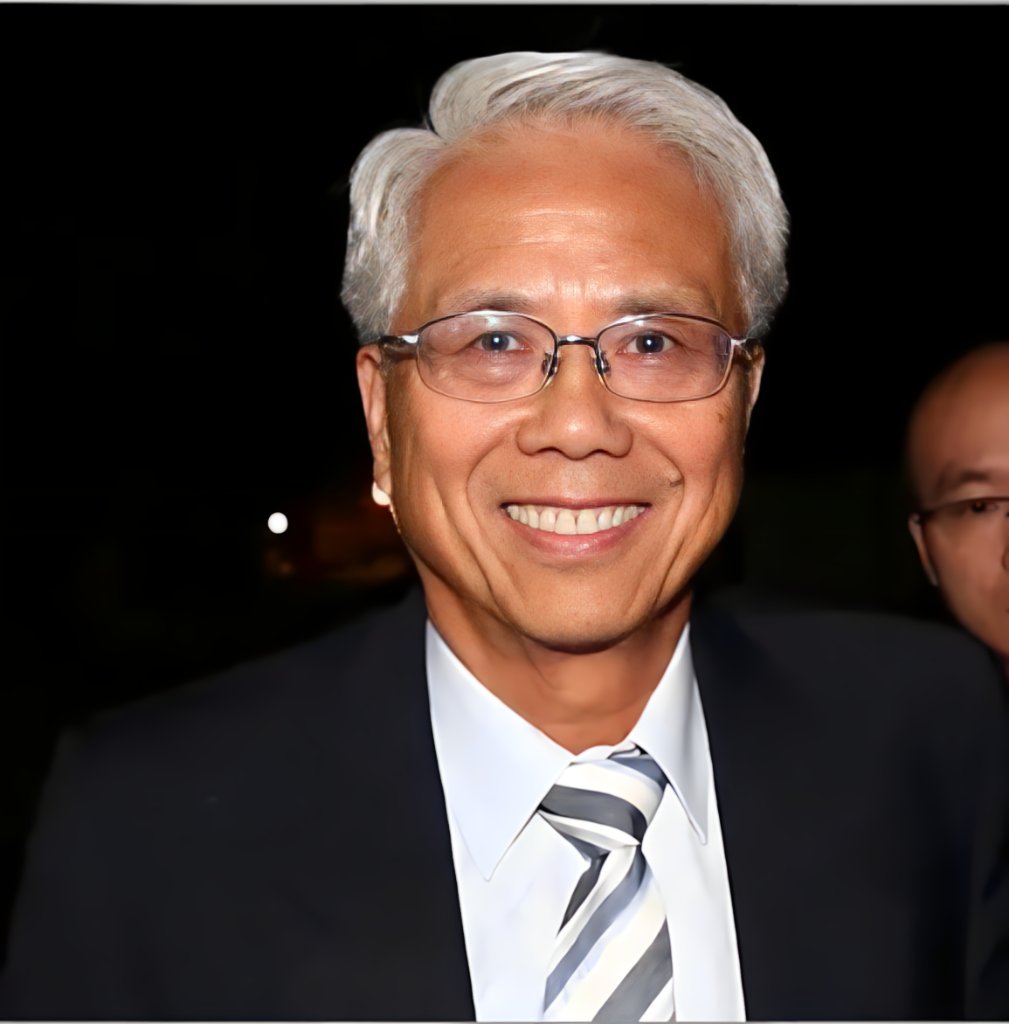
Founder, Lin Chen-hai (Image: Gettys)
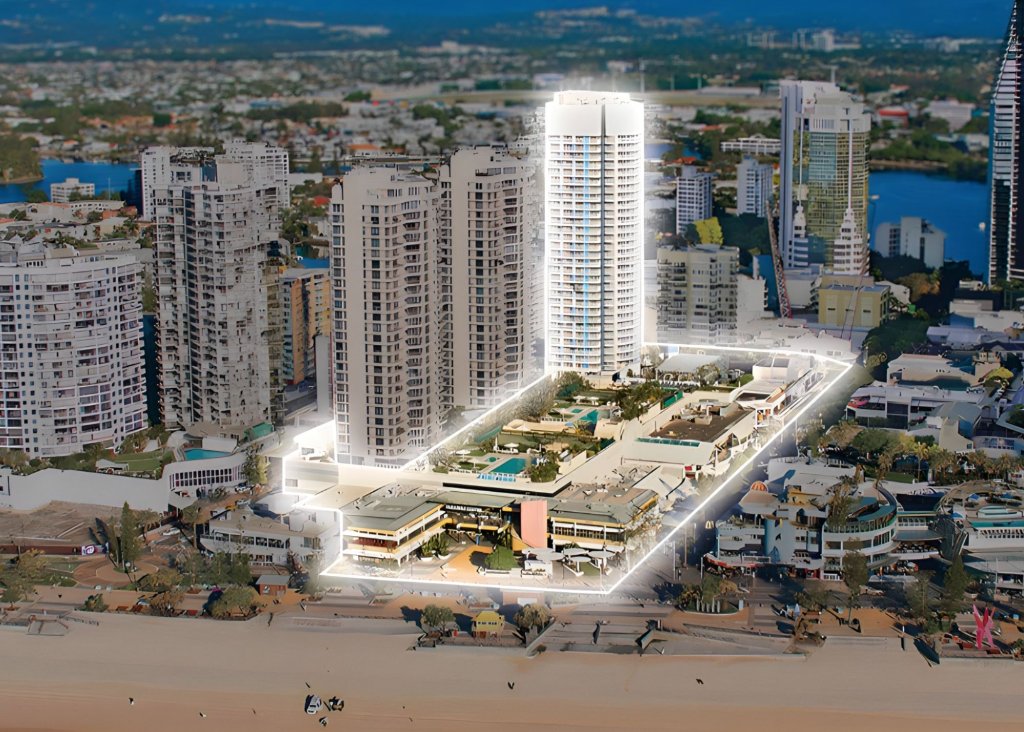
The Lin family recently bought a Surfers Paradise hotel & mall (Image: Supplied)
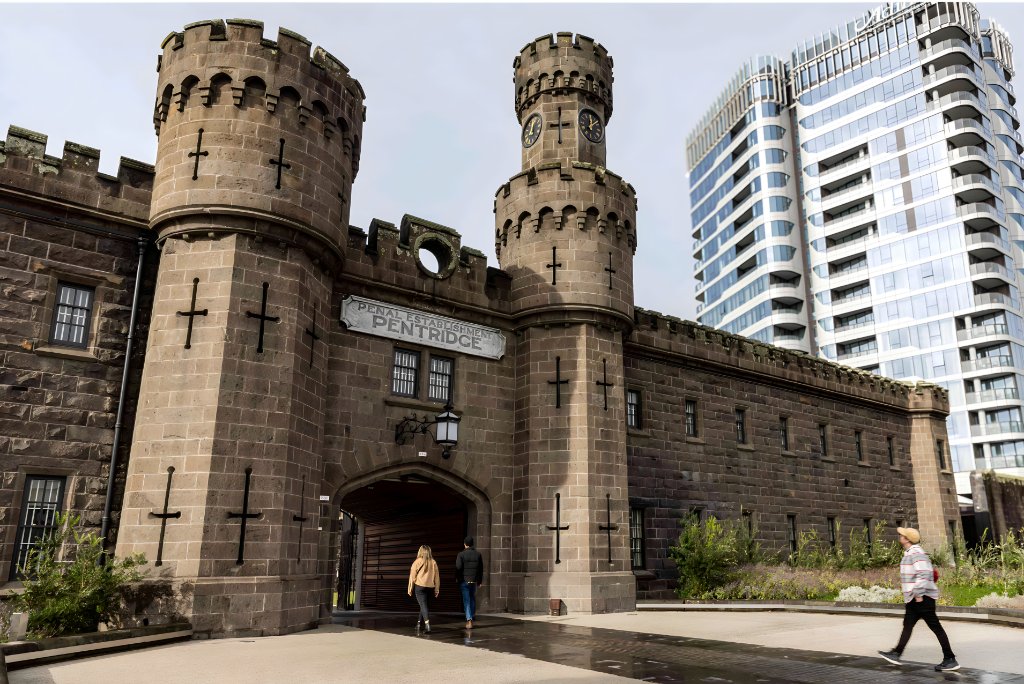
Pentridge prison converted to residential homes by Shayher Group (Image: shayher.com.au)
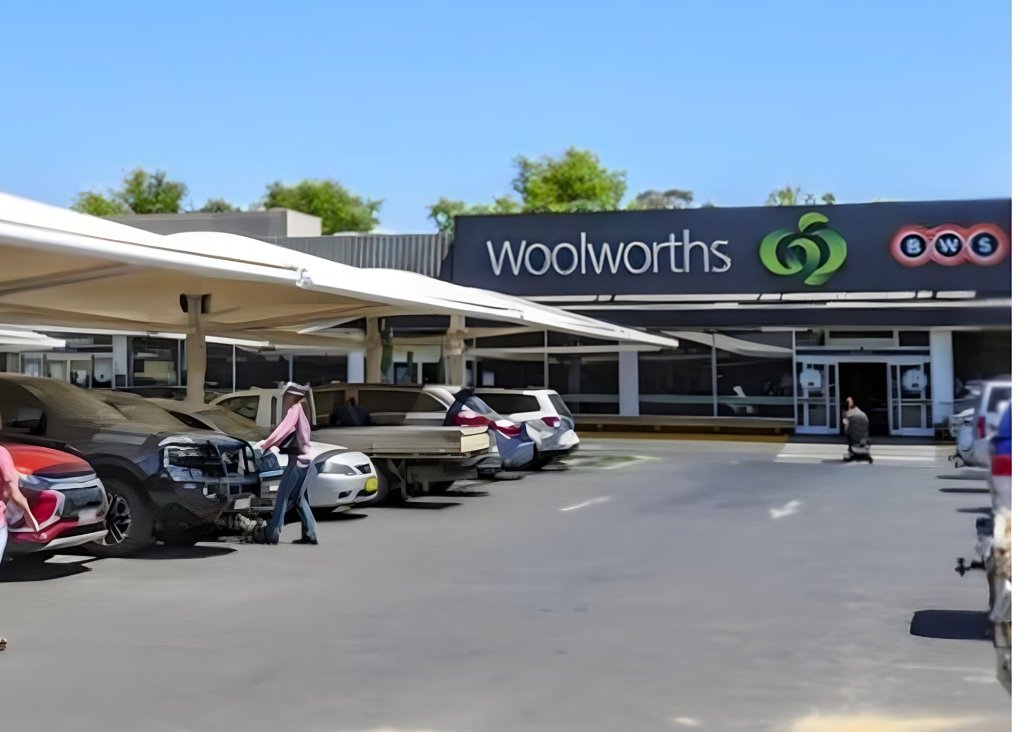
Woolworths sells 10 assets to Lin Family (Image: realestatesources.com.au)
With more than A$2.5 billion invested across Brisbane Quarter, Pentridge, a Woolworths-anchored retail portfolio, and several CBD office and logistics assets, the Lin family's Australian platform now distinguishes itself among offshore private investors.
The key question for property executives is whether others will follow their lead from Taipei.
In late March, Forest Endeavour, an Australian investment vehicle, acquired ten Woolworths-anchored neighbourhood shopping centres from Queensland to Tasmania for over A$500 million. Brokered by CBRE, this was the largest single-portfolio retail transaction in Australia in 2026 to date. This acquisition marks the latest step in what is now the most ambitious single-family investment in Australian commercial and prestige property in over a decade.
Forest Endeavour, along with the more prominent Brisbane-based Shayher Group, is controlled by the Taiwanese Lin family, who also lead Taipei property giant Pau Jar Group. Combined, the Lin platform now includes hotels, prestige residential, master-planned mixed-use developments, supermarket-anchored retail, last-mile logistics, and CBD office assets. This portfolio is notable even among institutional fund managers.

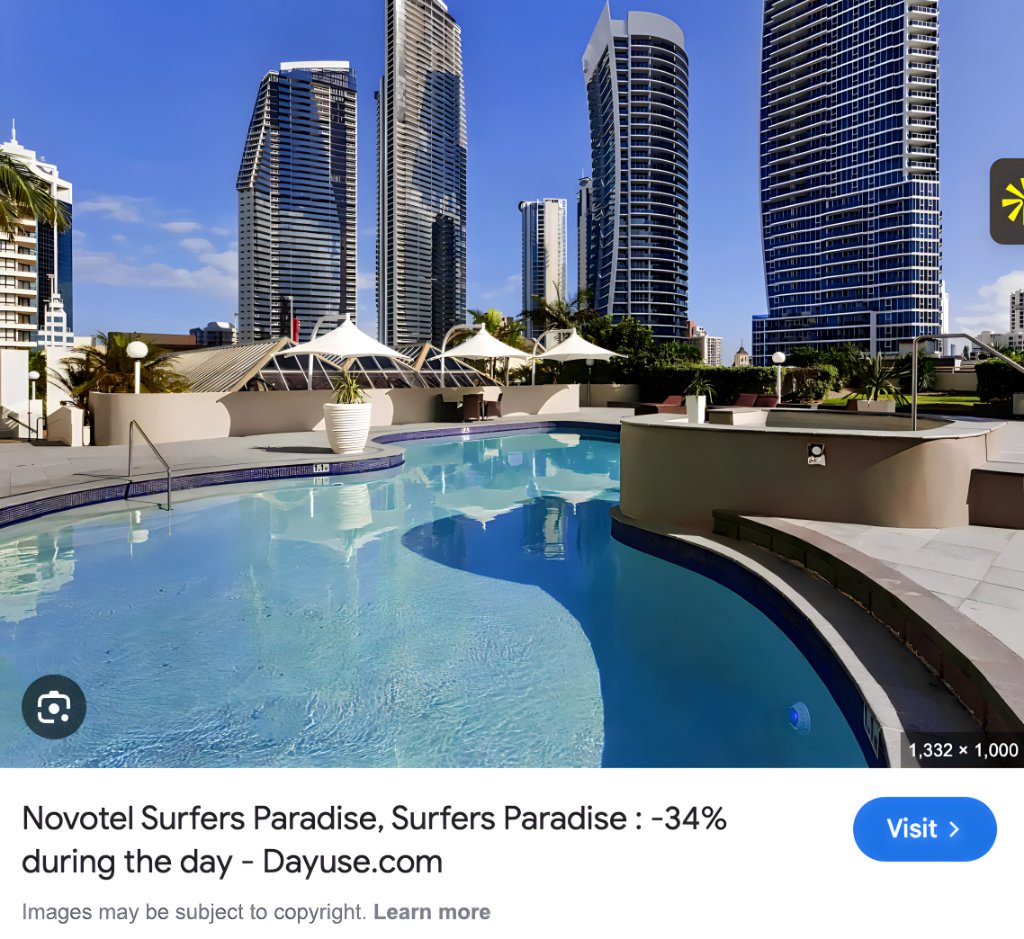
Novotel Surfers Paradise
A One-Family Platform Case Study
Pau Jar is recognized as Taiwan's largest private residential developer, with dozens of construction subsidiaries and 15,000 to 20,000 new home completions annually, according to industry surveys. Its founder, Lin Chen-hai, has been named by Forbes Asia as one of the region's leading philanthropists, with a personal net worth exceeding NT$100 billion (approximately US$3.2 billion). This domestic scale underpins the patience and financial strength evident in the family's Australian investments.
The Australian list speaks for itself. In Brisbane, Shayher developed the A$1 billion Brisbane Quarter precinct, anchored by the 312-room W Brisbane hotel, the 40-storey 300 George Street commercial tower, and "The One"—an 82-storey, 467-apartment residential tower completed in 2021 and still one of the city's tallest buildings. Shayher also owns the A$395 million Q&A Centre in the Brisbane CBD, acquired from Queensland Investment Corporation in 2019, and the A$427 million Milton Green business park, bought in 2021 from funds managed by Dexus and AMP Capital.
In Sydney, the family controls the 10 Barrack Street office tower, which it acquired from AEW Capital Management in 2022 for A$199 million. On the Gold Coast, it added the Homeworld Helensvale homemaker centre for A$265 million, a A$200 million last-mile logistics estate from ESR and Partners Group in 2024, and most recently the A$370 million Paradise Centre and adjoining Novotel Surfers Paradise. In Melbourne, Shayher is leading the residential redevelopment of the heritage-listed Pentridge Prison precinct in Coburg.
A recent high-profile transaction highlights the Lin family's disciplined approach. In April 2025, Shayher was the lead bidder for the 245-room Park Hyatt Melbourne, offering approximately A$200 million to Beijing-based Fu Wah International. The deal did not proceed, and the hotel was ultimately sold to KS Hotels & Resorts of Thailand in August, in what JLL and its adviser, MinterEllison, described as the largest Australian hotel transaction of the year. Shayher's decision not to overpay demonstrates a long-term, programmatic investment strategy more typical of listed REITs or sovereign wealth funds than of opportunistic capital.
Choosing Australia as its principal offshore home, the answer is partly mechanical, partly strategic, and increasingly geopolitical. From a practical perspective, Australia provides the transparency, legal protections, freehold positions in major CBDs, stable currency, and robust broker market that Taipei investors seek. Strategically, the Lin family is following the path of many multi-generational dynasties by diversifying durable assets across multiple jurisdictions.
"Taipei wealth managers are increasingly referencing the '2027 calendar,' a planning horizon shaped by Pentagon assessments, PLA modernization timelines, and a cross-strait risk premium now factored into family-office allocation models."
The Lin platform is currently the most prominent example of Taiwanese capital entering Australia, but it is unlikely to remain unique. Property executives in Sydney, Melbourne, and Brisbane are now considering whether this represents a single family's strategy or the beginning of a broader trend.
The Whole Story?
The honest read of the data sits between the two. Treasury's most recent quarterly reports show Taiwan typically the second- or third-largest source of approved foreign residential investment in Australia, at roughly A$0.1 billion a quarter—well behind China at A$0.3–0.4 billion a quarter, but comfortably ahead of most peers. CBRE's 2026 Hotels Australia report ranks Taiwan among the top three sources of offshore hotel-acquisition capital in 2025, behind the United States and Thailand.
Taiwan's foreign ministry has separately confirmed it is in the process of acquiring a Sydney building to house its representative office, with a target move-in date before the end of 2027. Outside the Lin platform, however, no other Taiwanese institutional player has yet emerged at a comparable scale.
This precedent is significant and merits close attention. Family-office capital often moves in groups. Once one dynasty addresses the operational, regulatory, and broker relationship challenges of cross-border investment, others typically follow. London in the late 1990s first saw Hong Kong investors before broader pan-Asian participation; Vancouver experienced a similar pattern. The conditions for a similar Taiwan-to-Australia expansion are now present. Whether this cohort behavior emerges remains to be seen.
The Pattern
A more insightful analysis of the Lin platform focuses on its composition rather than individual assets. Excluding marquee properties, the Australian portfolio is primarily comprised of yield-generating commercial real estate: supermarket-anchored neighbourhood retail (including the new Forest Endeavour portfolio, Paradise Centre, Capalaba Central, Wynnum Plaza, and Homeworld Helensvale); mid-tier CBD office assets at adjusted price points (such as 10 Barrack Street in Sydney, the Q&A Centre, and Milton Green in Brisbane); last-mile logistics (the Gold Coast estate); and operating hospitality (W Brisbane and Novotel Surfers Paradise, as well as the disciplined decision regarding Park Hyatt Melbourne). Prestige residential is present but limited to projects like Brisbane's The One and the Pentridge redevelopment.
This investment focus is significant because it challenges the common assumption that Asian private capital targets trophy apartments in Australia. The Lin family is building a defensive, income-generating real estate platform, similar to the strategies now favored by Australian institutional investors. CBRE's Q3 2025 retail data showed yield compression for both regional and neighbourhood shopping centres. Colliers reported a 95% increase in neighbourhood-centre transaction volumes in the first half of 2025 compared to the previous year. Charter Hall launched its A$2.5 billion Convenience Retail Fund in August. Cushman & Wakefield, in its year-end commentary, projected 2026 as "a record year for retail," attributing part of the rebound to renewed offshore investment in Australian defensive assets.
This is the segment where the Lin family is already well established. If broader Taiwanese family-office capital follows this precedent, especially under geopolitical pressures, the primary beneficiaries will likely be the same market sectors the Lins have targeted over the past decade. These include neighbourhood and convenience retail, last-mile logistics, and mid-tier CBD office assets with adjusted pricing. Operating hotels in major cities are also relevant. Trophy apartments may see limited participation, but the main focus lies elsewhere.
Broader Implications
For property executives navigating a market characterized by two years of stable interest rates and softer domestic demand, the outlook is cautiously optimistic. The Lin platform alone is significant, representing a multi-billion-dollar offshore private buyer with a clear preference for defensive, income-producing assets and the discipline to avoid overpaying. The more important question is whether this example will encourage a broader cohort of similar investors.
Unlike mainland Chinese investment, which is now limited by capital controls and the Australian Government's temporary ban on foreign purchases of established homes from 1 April 2025 to 31 March 2027, Taiwanese capital is not subject to the same regulatory constraints and is primarily directed toward commercial assets unaffected by the ban. The "2027 calendar" and the presence of patient capital are both real, and the precedent has been established. Retail fund managers, logistics platform operators, mid-tier office owners, and hotel vendors planning 2027 and 2028 asset disposals should take note. The first family has set the example; others are likely to follow.