Q&A | Housing Delivery
From Policy to Possibility: Can Australia Deliver the Homes It Needs?
The Asian Executive in conversation with Chong Meng Tan, Pomeroy Pacific
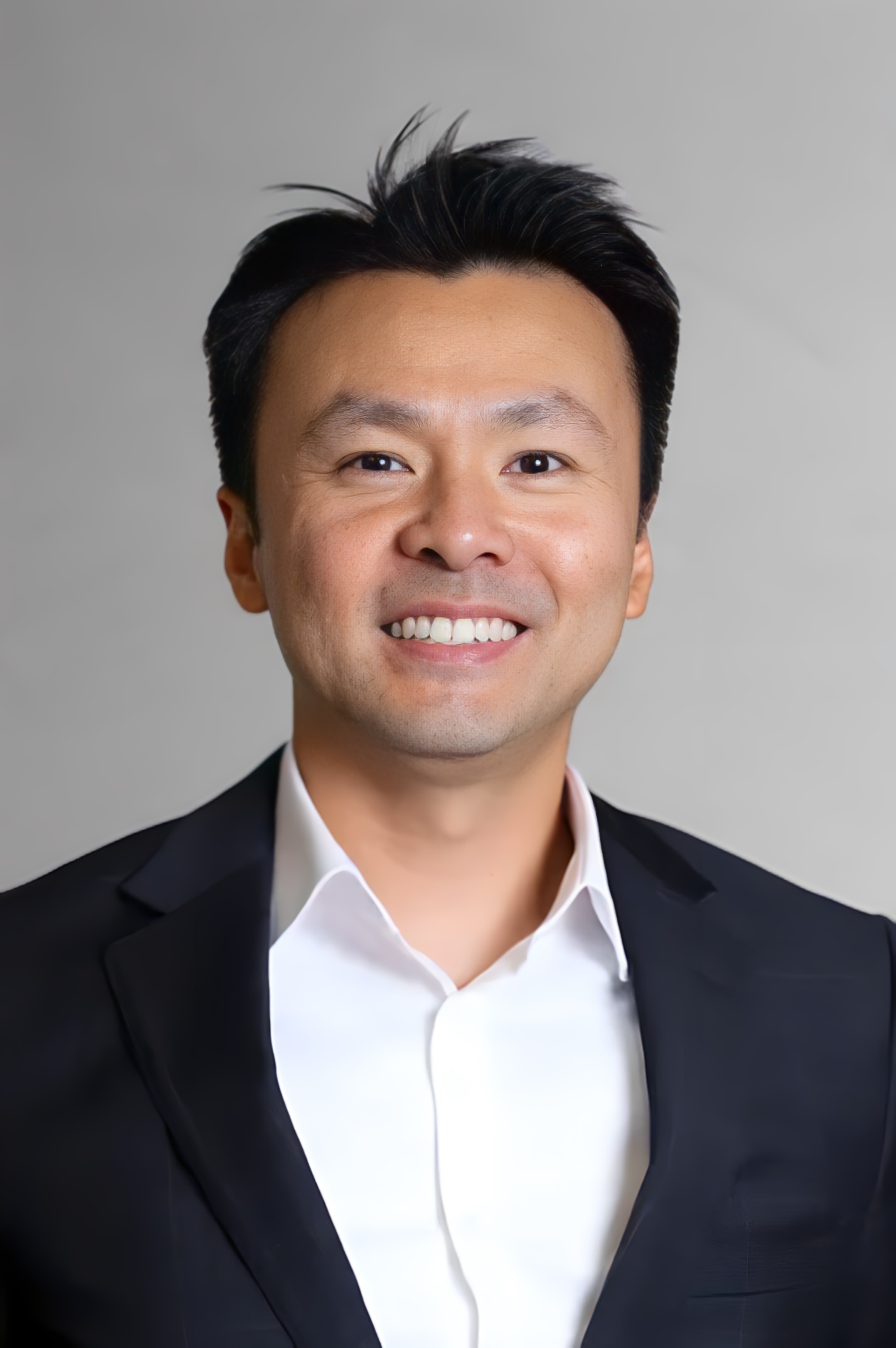
Chong Meng Tan, Director of Delivery & Origination at Pomeroy Pacific, will join a panel on accelerating housing delivery at Melbourne Build Expo 2026. Image supplied.

In Conversation
Chong Meng Tan
Director of Delivery & Origination, Pomeroy Pacific
Panellist, Melbourne Build Expo 2026
For those working across property development and construction, the housing crisis is no longer an abstract policy debate. It is evident in delayed planning approvals, projects under feasibility pressure, workforce and supply chain constraints, and the growing difficulty many Australians face in accessing housing close to work, transport and essential services.
The reality is that Australia's housing challenge will not be solved by simply building more homes. It requires a coordinated effort between government and industry to rethink how housing is planned, funded and delivered. While ambitious housing targets have sharpened the focus on supply, the real test lies in converting those targets into completed homes and thriving communities through better planning, smarter infrastructure investment, workforce capability and innovative delivery models.
As affordability pressures intensify and population growth continues, there is increasing recognition that neither government nor industry can solve this challenge alone. The conversation must now shift from policy to delivery, and from debate to genuine partnership. The question facing our sector is no longer whether we need more housing, but whether we can work together effectively enough to deliver it.
The Asian Executive recently sat down with Chong Meng Tan, Director of Delivery & Origination at Pomeroy Pacific, to discuss one of Victoria's most pressing challenges: how government and industry can work together to accelerate housing delivery while maintaining affordability, quality and long-term community outcomes.
Can Victoria turn housing targets into housing delivery?
Chong Meng Tan: The industry has demonstrated strong commitment to increasing housing supply, and government has responded with ambitious housing targets and planning reform. The next step is ensuring the entire development ecosystem, from planning and approvals through to infrastructure delivery, procurement and construction, is aligned around a common objective.
Success will not be measured by the number of homes identified in strategic plans, but by the number of homes actually completed and occupied. Achieving this requires greater certainty, faster decision-making and stronger collaboration between government, developers, infrastructure providers and the construction sector.
Importantly, we need to view housing as more than a numbers exercise. Every dwelling delivered represents an individual or a family gaining access to a home and the opportunities that come with it. The challenge for Victoria is to convert policy ambition into tangible outcomes, delivering not only more homes, but also the infrastructure, amenity and community outcomes that make places successful over the long term.
The challenge is whether we can collectively transform planning aspirations into homes, communities and infrastructure delivered at the scale, pace and quality our growing population requires. Achieving that outcome will depend on a level of collaboration between government and industry that is stronger, more aligned and more outcome-focused than ever before.
Is planning reform giving the market certainty?
Chong Meng Tan: Victoria has made significant progress in recognising that planning reform is critical to addressing housing supply. However, from a project delivery perspective, the real test is whether reforms translate into more predictable approval pathways, shorter decision-making timeframes and greater confidence for investors and developers.
The property industry is generally willing to invest and deliver, but capital is attracted to certainty. When approval processes become prolonged or inconsistent, project feasibility is impacted, delivery is delayed and housing supply slows. In many cases, the challenge is not a lack of market appetite, but a lack of confidence in how quickly projects can move from concept to construction.
What the market needs is a planning system that is not only efficient, but also consistent and transparent. Developers, investors and project teams need confidence that well-conceived projects can progress through the system within clear and predictable timeframes.
“
In many cases, the challenge is not a lack of market appetite, but a lack of confidence in how quickly projects can move from concept to construction.
Chong Meng Tan, Pomeroy Pacific
Is this a housing supply problem or an infrastructure problem?
Chong Meng Tan: Housing does not exist in isolation. It is supported by transport, schools, healthcare, utilities and social infrastructure. We can approve and construct housing at scale, but if the supporting infrastructure is not delivered alongside it, we risk creating communities that fall short of the expectations of future residents.
One of the constraints to housing delivery is the infrastructure required to support it. Whether it is roads, public transport or community facilities, these enabling investments often determine the pace and viability of development.
This presents a significant opportunity for both government and industry. Rather than viewing housing and infrastructure as separate conversations, we need to plan and deliver them together. The most successful projects and precincts are those where housing, infrastructure and community outcomes are aligned from the outset. If we get that balance right, we can deliver not just more housing, but better activated communities for future generations.
Do we need new delivery models?
Chong Meng Tan: Australia's housing ambitions are being pursued at a time when the industry is facing cost escalation, workforce constraints and supply chain challenges. In that environment, traditional delivery models alone may struggle to provide the scale, speed and certainty required.
There is growing opportunity to leverage alternative approaches, including public-private partnerships, institutional investment, build-to-rent, mixed-tenure developments and more collaborative procurement models. The common thread across these approaches is a greater emphasis on partnership, risk alignment and early stakeholder engagement.
As a project management professional, I've seen first-hand that the most successful projects are often those where stakeholders are engaged early, risks are shared appropriately, and decisions are made with a long-term focus on driving positive community outcomes rather than short-term project objectives.
That said, innovation should not be pursued for its own sake. The objective is not simply to introduce new delivery models, but to create more efficient pathways from planning to construction while maintaining affordability, quality and value for money.
“
Capital is attracted to certainty.
Chong Meng Tan, Pomeroy Pacific
How do we build more homes without compromising communities?
Chong Meng Tan: When we talk about housing supply, it's easy to focus on numbers. But if you ask most people what they want, the answer isn't simply more housing. They want a safe, affordable home in a neighbourhood with good schools, reliable transport, healthcare, great amenities, open space, and a sense of community.
That's why I believe we need to broaden the conversation. Housing delivery should not be measured solely by the number of dwellings completed, but by the quality of the communities we leave behind. Growth that outpaces infrastructure, amenity and services risks creating challenges for future generations rather than solving them.
From my observation, the most successful developments are those where community outcomes are embedded from the beginning. When government, developers, planners and infrastructure providers align around a shared vision, housing becomes more than a project outcome. It becomes a catalyst for stronger, more connected and more liveable communities.
Increasing housing supply and achieving positive community outcomes are not competing objectives; in my view, they are one and the same. The real opportunity for Victoria is to demonstrate that we can deliver the homes our growing population needs while creating places people are genuinely proud to call home.
Event
Join the Discussion at Melbourne Build Expo 2026
To continue the discussion, join Chong Meng Tan, Director of Delivery & Origination at Pomeroy Pacific, at Melbourne Build Expo 2026 as he participates in a panel exploring how government and industry can work together to accelerate housing delivery, overcome development barriers and create stronger pathways from planning to construction.
Date
25–26 November 2026
Venue
Melbourne Convention & Exhibition Centre (MCEC), 1 Convention Centre Place, South Wharf VIC 3006
Registration
Free to attend for industry professionals
Bringing together more than 20,000 industry professionals, 350+ exhibitors and 500+ speakers from across the built environment, Melbourne Build Expo provides a unique platform for developers, government representatives, contractors, consultants, investors and property leaders to explore the challenges and opportunities shaping Australia's future.
Advertisement