Building The World's Best City
How Multiplex is shaping Melbourne's Southbank through Australia 108 and Melbourne Square — two landmark projects defining vertical living in the Asia-Pacific.
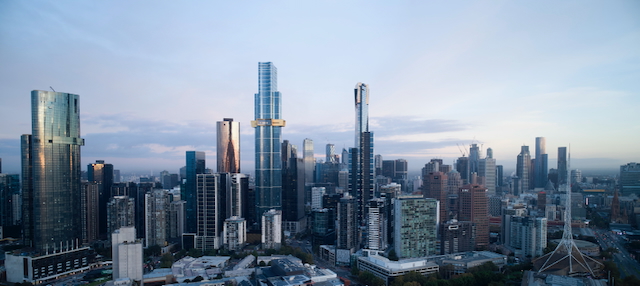
Melbourne City Skyline with Australia 108 at centre (Image: Supplied)
Named Time Out's best city in the world for 2026, Melbourne continues to attract people to its inner-city neighborhoods, reinforcing long-term confidence in vertical residential development in and around the CBD.
Two Southbank projects delivered by Multiplex, Australia 108 and Melbourne Square, demonstrate how that confidence is translated into built form through disciplined execution, scale and technical capability in one of the Asia-Pacific's most competitive residential markets.
Completed in 2020, Australia 108 rises approximately 316.7 metres across more than 100 levels, making it the tallest residential tower in the Southern Hemisphere by roof height. The tower comprises more than 1,100 apartments and was delivered following a construction program that commenced in 2015, reflecting both the ambition and endurance required to deliver supertall residential projects in established urban environments.
Australia 108
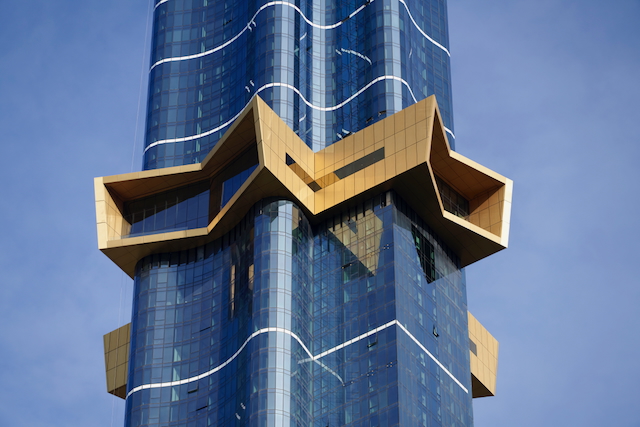
Australia 108 (Image: Supplied)
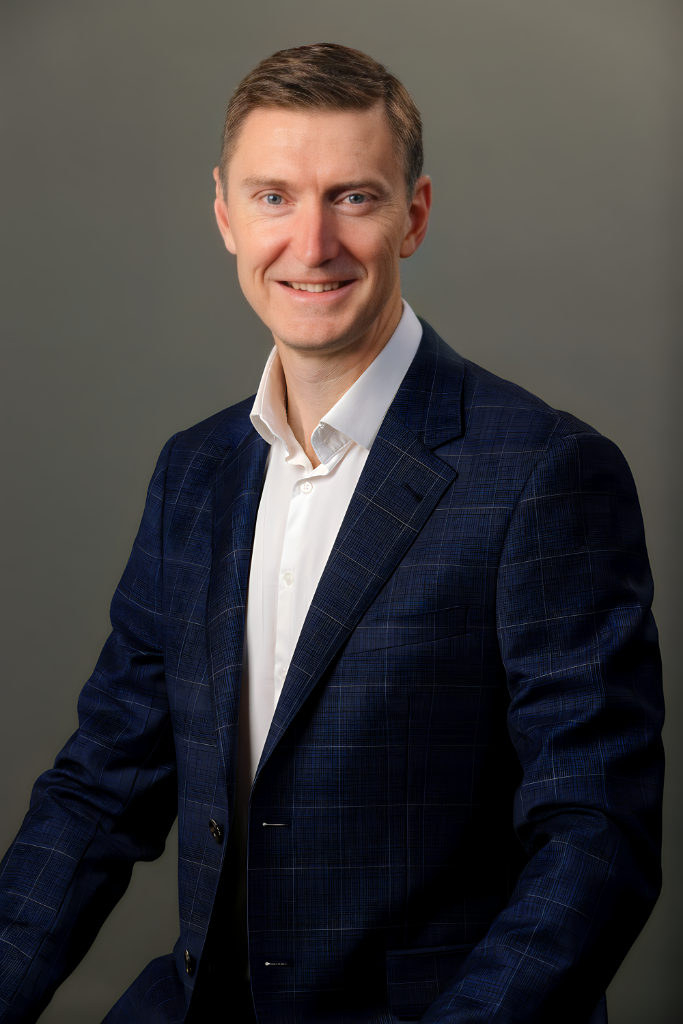
"Over five decades of working in Victoria, we are proud to have delivered more than 160 projects, including some of its tallest towers like Australia 108 in Melbourne."
Ross Snowball
Regional Managing Director, Multiplex
Constructing at this scale amplified every element of delivery. Foundations were engineered through layers of Coode Island Silt, requiring extensive piling before above-ground structure could proceed. As the building rose, crane strategies, wind management, concrete placement distances and vertical logistics demanded precise sequencing to maintain productivity and safety hundreds of metres above ground.
A defining feature of the project is its mid-level Starburst, a pair of cantilevered levels extending up to eight metres from the façade at Levels 70 and 71. Suspended more than 200 metres above ground, the structure required bespoke temporary works and staged construction approaches to maintain tolerances at extreme height, while ultimately housing premium resident amenities.
"Over five decades of working in Victoria, we are proud to have delivered more than 160 projects, including some of its tallest towers like Australia 108 in Melbourne. It really is an honour to look at the skyline and to see so many Multiplex built projects shaping the city," says Ross Snowball, Multiplex Regional Managing Director.
Melbourne Square
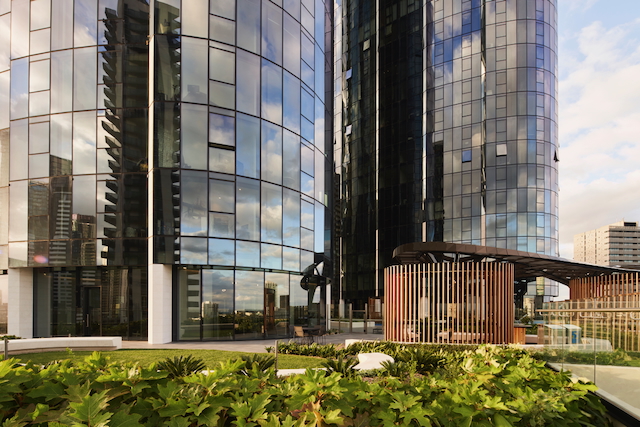
Melbourne Square (Image: Supplied)
Another city building development, Melbourne Square by OSK, reflects a different but equally significant model — the masterplanned, high-density precinct. Located within Southbank, the development represents an investment of approximately $2.8 billion and will ultimately comprise six towers delivered across multiple stages, supported by retail, commercial space and substantial public realm.
Stage One of Melbourne Square was completed in 2021 and comprised two residential towers of 54 and 69 storeys, delivering more than 1,000 apartments above an integrated multi-level podium. Construction commenced in 2017 and required detailed staging to manage interfaces between podium works, tower construction and early activation of the precinct.
Multiplex is currently delivering Melbourne Square's third tower, BLVD. Rising 74 storeys and comprising approximately 600 residences, the tower reinforces a long-term approach to precinct delivery where lessons from earlier stages inform subsequent construction sequencing, logistics and risk management.
Together, Australia 108 and Melbourne Square reflect a consistent theme seen across global cities. Where amenity, access and liveability align, confidence in vertical residential development follows. As cities grow, successful outcomes will depend on construction partners who can adapt to complexity and scale.