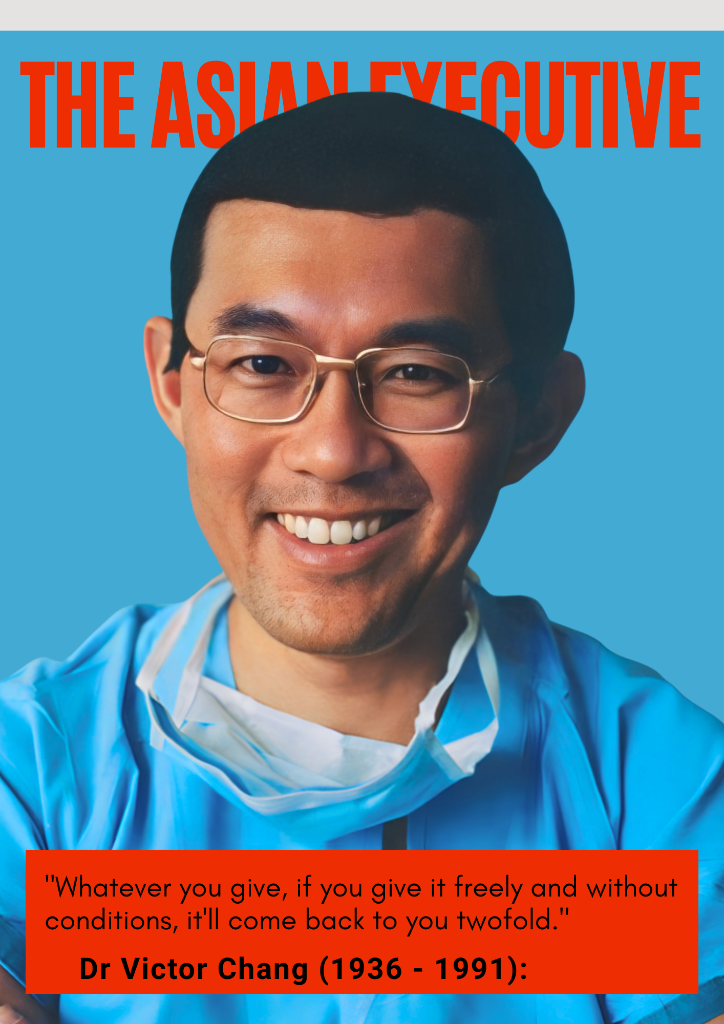
Special Feature · A Life of Medical Triumphs
The Life and Legacy of
Dr Victor Chang AC
(1936 – 1991)
Victor Chang was one of Australia's great citizens. A charming yet deeply private person, he became known worldwide as a leading heart surgeon and heart transplant pioneer, leaving behind an extraordinary legacy. In this special feature of The Asian Executive, we take this opportunity to reflect on both a life of medical triumphs that ended in tragedy.
A visionary and great leader, he established the National Heart Transplant Programme at St Vincent's Hospital in Sydney, making it one of the most successful heart transplant units in the world.
The life of this national hero was cruelly cut short when he was murdered on the 4th of July 1991 at the pinnacle of his career.
"Whatever you give, if you give it freely and without conditions, it'll come back to you twofold."
Early Life and Education
Victor Peter Chang was born in Shanghai to Australian-born Chinese parents and spent his early childhood in Hong Kong. After losing his mother to breast cancer at the age of 12, the young Chang vowed to become a doctor and dedicate his life to healing the sick. Moving to Australia in 1951 with his younger sister, he completed his secondary schooling at the Christian Brothers College in New South Wales before studying at the University of Sydney, where he graduated in 1962 with a Bachelor of Medical Science with First-Class Honours and a Bachelor of Surgery.
After completing his medical education, Chang began his internship at St Vincent's Hospital under the direction of cardiac surgeon Dr Mark Shanahan. From here, Chang was sent to London to train with British surgeon Dr Aubrey York Mason, regarded at the time as one of the world's finest general surgeons. He became a Fellow of the Royal College of Surgeons in 1966 and trained in cardiothoracic surgery at the Royal Brompton Hospital in London.
Chang started working as an on-call emergency physician at St. Anthony's Hospital in North Cheam where he met his wife, Ann Simmons. The two married soon afterwards and had 3 children: Vanessa, Matthew and Marcus.
In December 1970, Chang took his family to the United States where he became chief resident at the Mayo Clinic. In 1972 he returned to St Vincent's Hospital in Sydney as a consultant cardiothoracic surgeon, joining the prestigious cardiothoracic team under Dr Harry Windsor who had performed Australia's first heart transplant in 1968. In his memoirs, The Heart of a Surgeon, Windsor describes his first impressions of Chang:
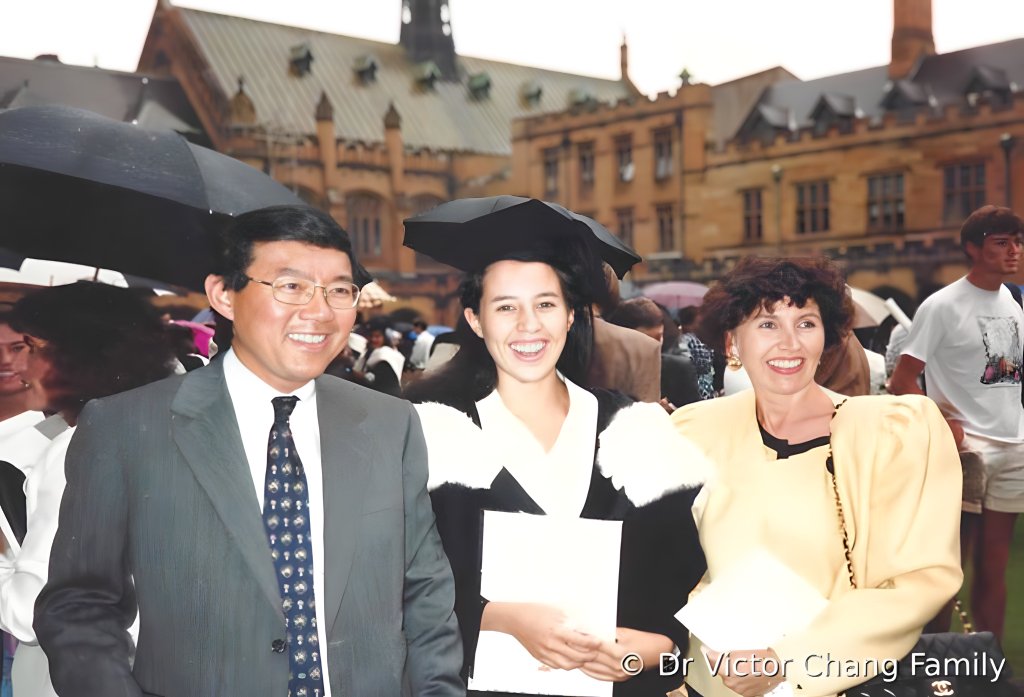
"From the outset his intelligence, dexterity and confidence were apparent…Victor revealed himself as a genial, open person, with a tendency to think aloud and bare his soul."
Chang was soon well known amongst both colleagues and patients for his compassion, and even though he was not a religious man himself, he would often ask Sister Bernice, a stalwart of St Vincent's, to pray for his patients' recovery.
He was appointed Fellow of the Royal Australasian College of Surgeons in 1973 and Fellow of the American College of Surgeons in 1975.
The National Cardiac Transplant Unit
It was at St Vincent's that Victor Chang established the National Cardiac Transplant Unit, which would become Australia's leading centre for heart and lung transplants.
In 1980, following the availability of an anti-rejection drug that made heart transplants more viable, Dr Chang pressed the Australian government to fund a cardiac transplant program at St Vincent's Hospital. Determined and relentless, he lobbied both government and businessmen to raise funds to part finance a national heart transplant program in 1983. Undeterred by an announcement that the national cardiac transplant unit was to be based at the Royal Prince Alfred Hospital, he proved that St Vincent's had raised enough money to establish their own cardiac transplant programme, and the initial decision was soon reversed in favour of St Vincent's.
This move enabled St Vincent's Hospital in Sydney to become Australia's primary centre for heart transplants. Under his leadership, Chang formed an outstanding team of over 40 top health professionals, becoming world leaders in their field of expertise.
Although Chang was a quiet man, he was outspoken and persistent in the pursuit of pushing the boundaries of his specialised field.
"When no one else was putting their hand up, he was saying, 'Yes, we want to do heart transplants'."
A Visionary: The Artificial Heart
Victor Chang was a visionary and realised that operating on people was not sufficient. A heart transplant requires the life of one human for another to live, and there was always a shortage of donors. With this in mind, Chang set out to design and develop an artificial heart.
He arranged the finances and pulled together a team of scientists and engineers to create an artificial heart and to produce affordable heart valves. Chang and his team made significant progress on the design of an artificial heart, which unfortunately ended after his death.
Medical History Made
It was on 23rd February 1984 that Victor Chang first successfully transplanted a heart on Peter Apthorpe, the 39-year-old shearer from Armidale. History was made a few weeks later on 8th April when Australian medical history was repeated when 14-year-old Fiona Coote became Australia's second successful heart transplant patient.
It was these successes and the new procedures and techniques used by Dr Chang that made him a worldwide leading figure in the field of heart surgery. Unfortunately, Peter Apthorpe died a few months after his operation; however, the second transplant for Fiona Coote proved a great success. After an initial setback where she rejected the first heart, Fiona endured a second transplant in 1986 and 35 years later is alive and well as a result of Dr Chang and his team at St Vincent's.
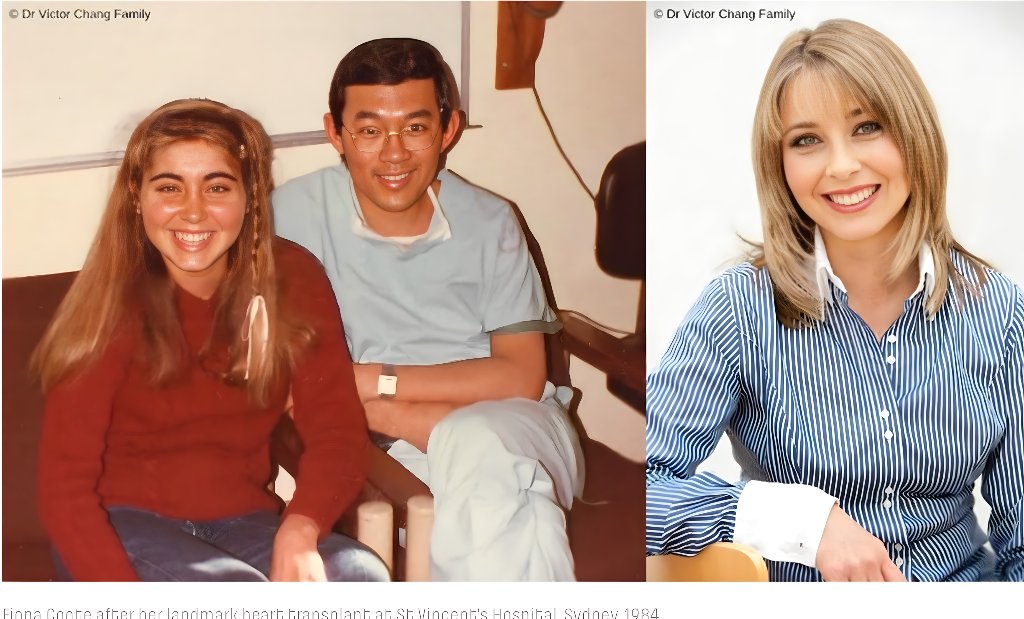
"If it weren't for medical research and the wonderful work of Dr Victor Chang, I wouldn't be standing here today. He was fun, cheeky, charming. He loved life. He was someone who inspired confidence in all."
During the period 1984 – 1990, up to his untimely death, Dr Chang's team performed over 197 heart transplants and 14 heart and lung transplants, with a high success rate of 90% of transplant patients surviving the initial 12-month period.
A lesser-known but probably more important and meaningful aspect of his work was the work he and his team did in China and Indonesia, where skills in this area of medicine were badly needed. As well as travelling with teams to Asia, doctors from South East Asia were sponsored to come to Australia to train and take their learnings back to their home countries. Another result of this program was the promotion of positive cultural exchange between Australia and Southeast Asia.
For his outstanding achievements in the field of heart surgery and transplants, Victor Chang was awarded the Companion of the Order of Australia in 1986 in recognition of service to international relations between Australia and China and to medical science.
A Black Day for Australia
The 4th July 1991 was a black day for Australia when Dr Victor Peter Chang was murdered in a bungled and amateur extortion attempt.
Victor Chang was cremated, and his ashes were buried beneath a memorial plaque at Green Park, near St Vincent's Hospital.
A Continuing Legacy
In 1984, Dr Chang established the Victor Chang Foundation that continues his work to this day. CEO, Vanessa Chang said:
"Dad would have been delighted that his Foundation is still pursuing its original aims: granting funds to promote, educate, train, upgrade and share skills between Australian and Asian medical and health practitioners in the areas of cardiothoracic surgery, heart and lung transplantation and cardiology."
Vanessa Chang
CEO, Victor Chang Foundation
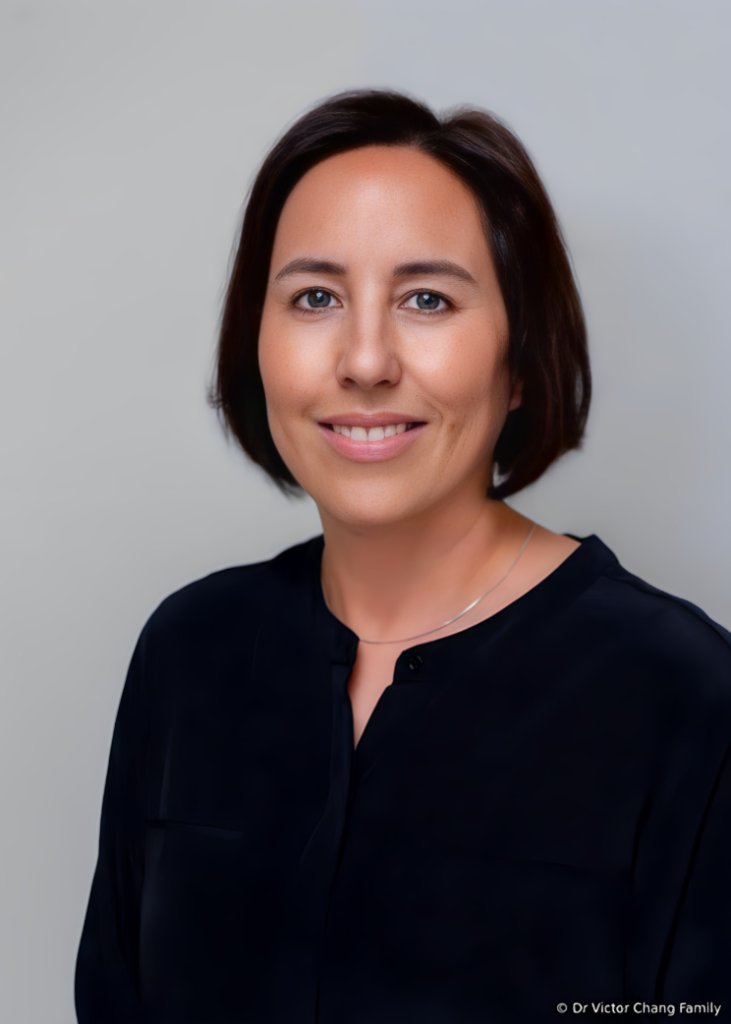
Additionally, in the wake of his death and to further his work, the Board of the Foundation he started was determined to continue it. In 2013, his daughter Vanessa Chang took over as CEO of the Foundation. She said, "If dad was alive, he'd want to continue training surgeons from Asia, particularly his homeland, China. We honour his work in that way".
Research into heart disease led to the establishment of a building named after him. The Victor Chang Cardiac Research Institute was established on November 23rd 1993. Over $8 million was raised following generous donations from the government, private donors and the public. The Institute was launched by the Australian Prime Minister on 15th February 1994 to focus on the prevention, diagnosis and treatment of heart muscle diseases.
"We are continuing the work that Dad would have wanted because he represented the Chinese community and was passionate about sharing knowledge. Each year, we raise funds to bring a heart surgeon from Asia to train under our best cardiac surgeons in Australia. They take their learnings back to Asia and pass that knowledge and technical expertise back to train other surgeons."
Innovation was also an important part of my father's work; however, that requires millions of dollars. "It is extremely hard to raise those dollars; hence, we have been unable to continue the development of Dad's artificial heart. If we found a funder, we could probably revisit that."
"It's important that we as Australians remember what he stood for, that is, a pioneer, and a people person, dedicated to improving the lives of all Australians."
Researchers at the Institute have since helped pioneer technology that allows hearts which have stopped beating to be resuscitated for transplantation.
"An outstanding surgeon and an outstanding thinker, a very original thinker."
"Whatever you give, if you give it freely and without conditions, it'll come back to you twofold."
Dr Victor Chang (1936 – 1991)