HOME
THE ASIAN EXECUTIVE

THE ASIAN EXECUTIVE

Australia-Asia Commercial Corridor

Property and Development
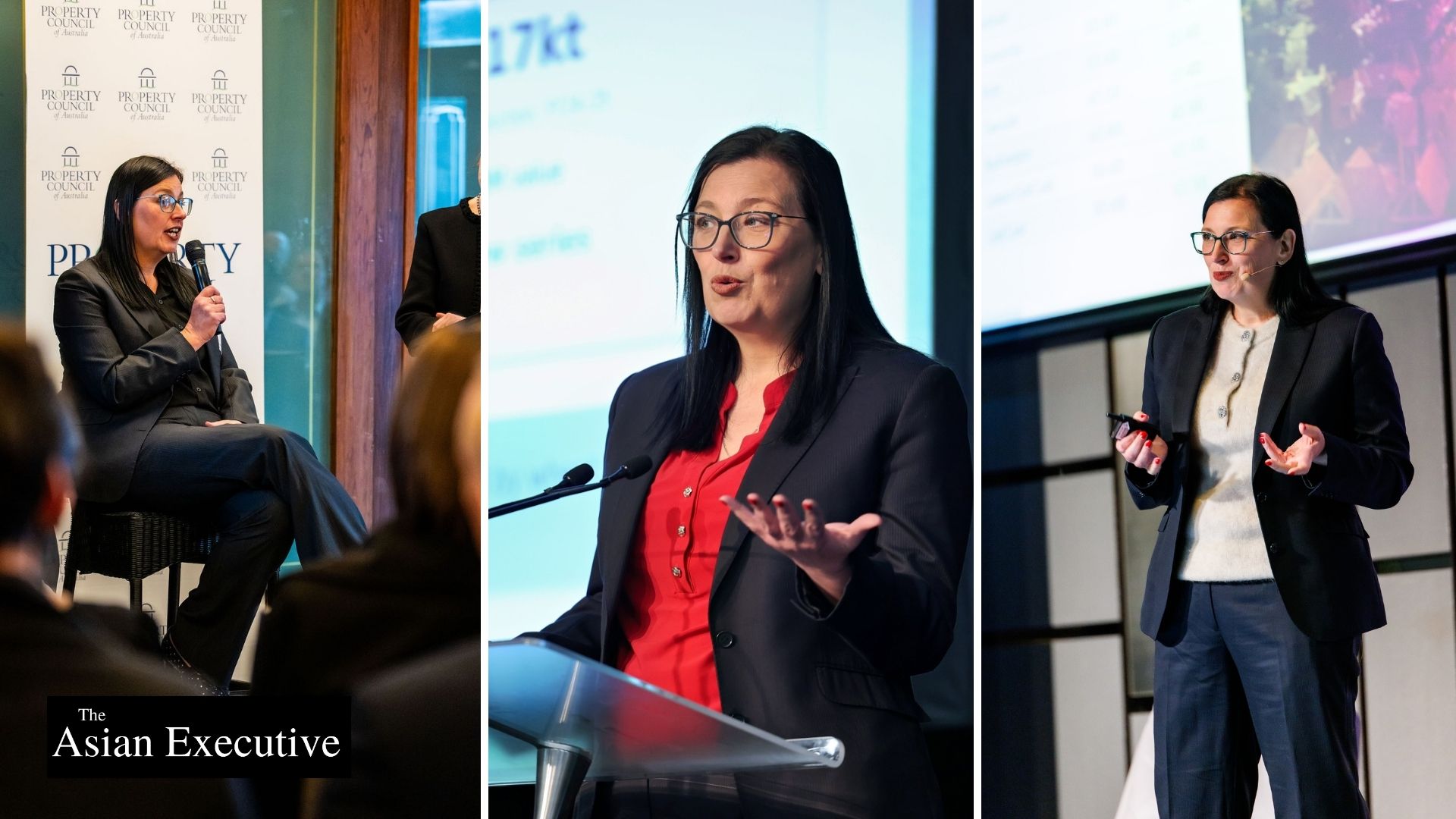
Vanessa Rader, Head of Research at Ray White, speaking at Property Council of Australia events

Special TAE Interview

2026 Australian Property Sector Overview

Vanessa Rader, Head of Research, Ray White

By The Asian Executive | 20 September 2026

Estimated read time: 8 minutes

About the Interviewee

Vanessa Rader is the Head of Research for the Ray White Group and Ray White Commercial, bringing over 25 years of property industry experience across valuation, commercial agencies, and developer groups. Holding a Bachelor of Commerce in Property Economics and a Master of Property Development from the University of Technology Sydney, she is a recognised authority on commercial, residential, and alternative asset classes. Her work has earned her the Australian Property Institute’s (API) Meritorious Service award, along with multiple research excellence accolades.

Ahead of her keynote appearances at Melbourne Build 2026, where she will dissect Victoria’s housing future and the evolution of data centre corridors, Vanessa sat down with The Asian Executive for an exclusive briefing designed for our readership of senior APAC institutional investors.

Q&A with Vanessa Rader

Head of Research, Ray White

Student Accommodation & Regional Shifts
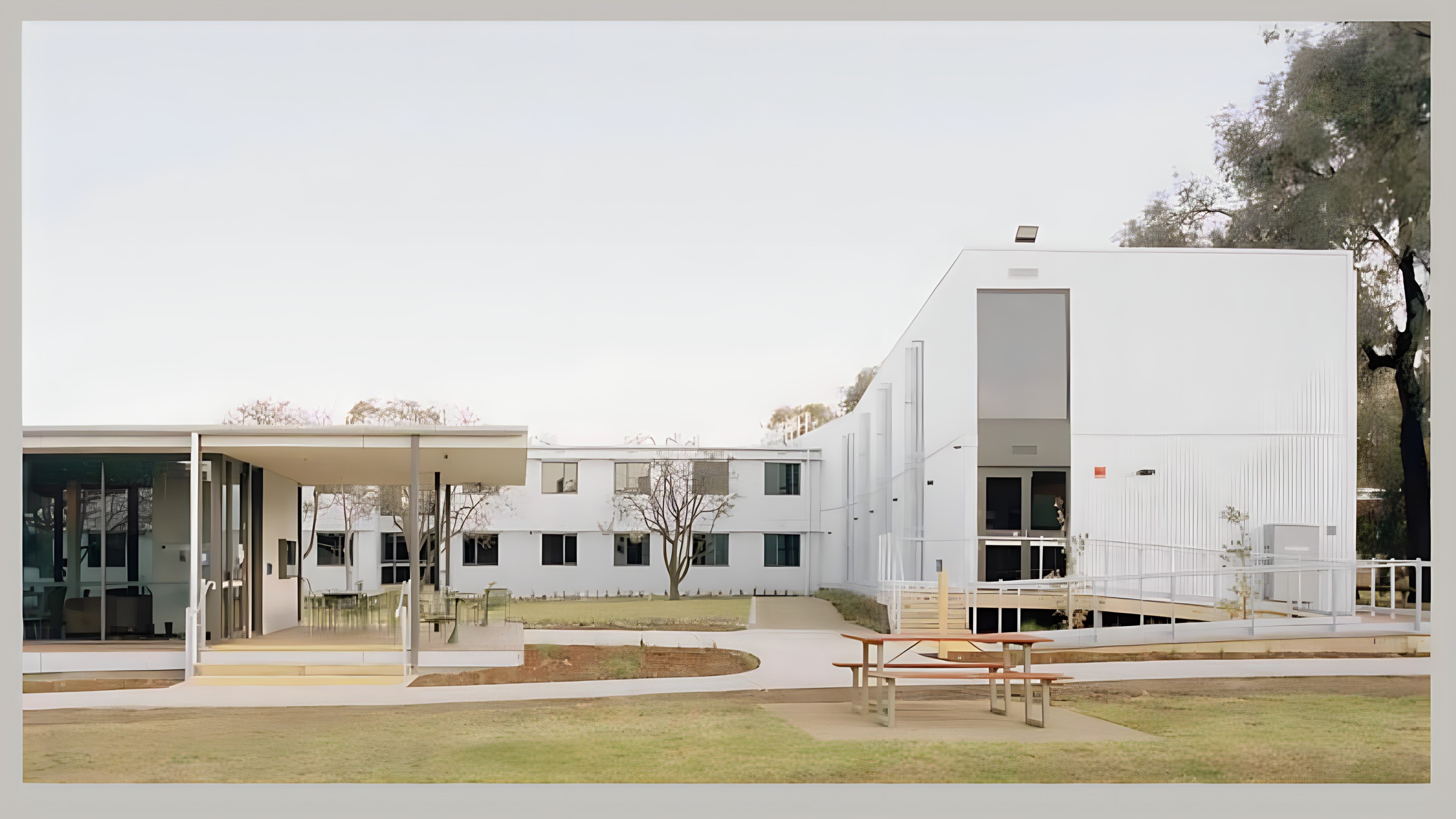
Modern regional student accommodation and campus-style facility

TAE: Your research reveals a massive 185,000-bed national supply shortfall in Purpose-Built Student Accommodation (PBSA), yet capital has traditionally stayed focused on Sydney and Melbourne core precincts. With regional and non-capital universities climbing global rankings over the past decade, what makes these secondary markets viable for yield-driven APAC investors?

Vanessa: While Sydney and Melbourne capture most international arrivals, a trend has occurred across non-metropolitan universities, with institutions like Wollongong and Deakin steadily advancing in the Times Higher Education rankings. Regional campuses are attracting growing cohorts of international and domestic students who face intense competition and soaring residential rents. Although development scale must match local populations rather than mimicking city-core towers, these regional hubs offer an avenue for institutional capital chasing secure yield, supported by parents seeking safe, all-inclusive student living models. Furthermore, shifting source markets, with rising student flows from South Asia alongside traditional cohorts, introduce a mix of accommodation preferences that extend beyond traditional CBD-style offerings.

Housing Targets vs. Delivery Reality

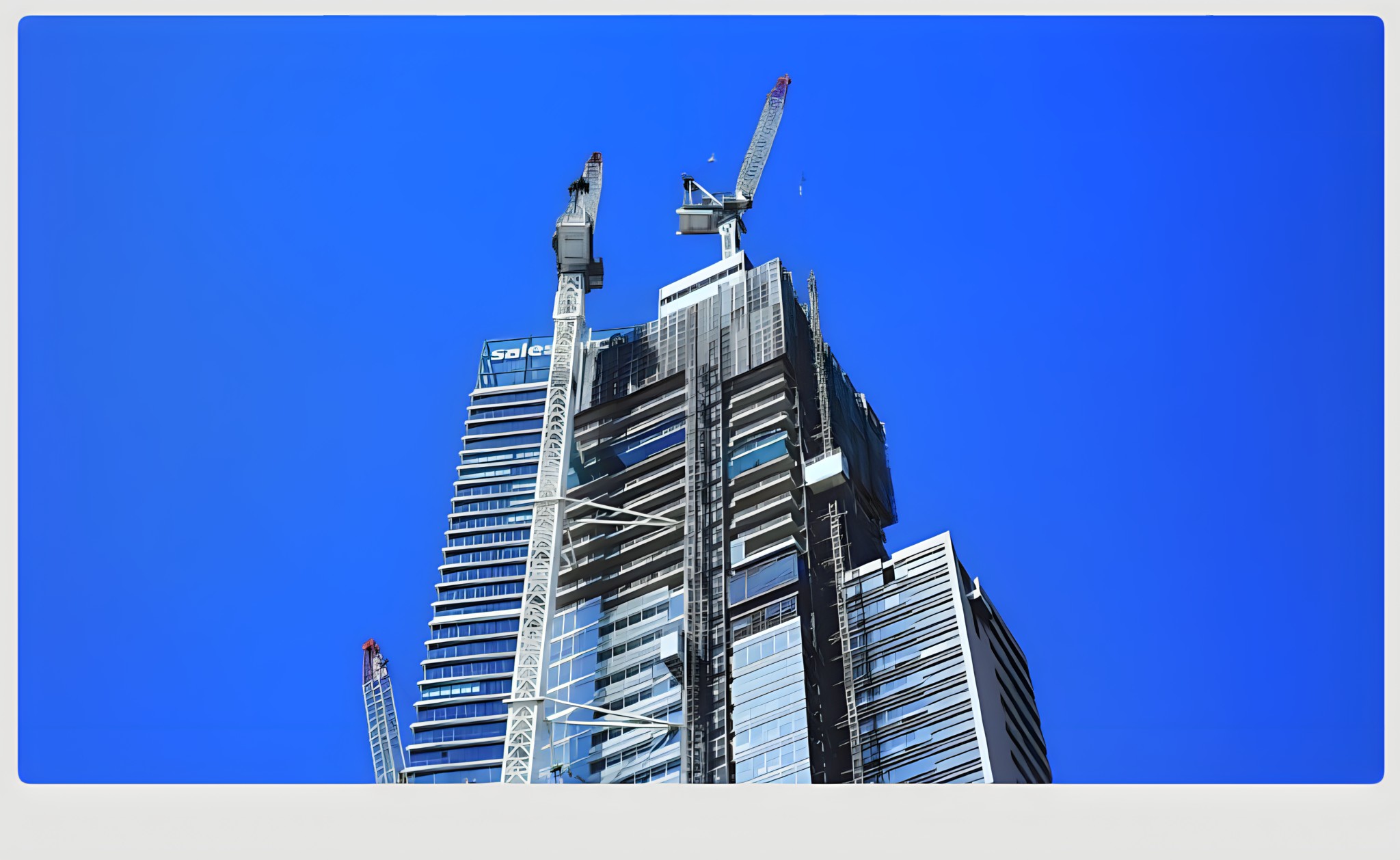
High-rise residential tower under construction with tower cranes against a blue sky

TAE: Federal and state governments have staked their reputations on ambitious housing supply targets, yet delivery continues to lag behind demographic demand. From a research perspective, what is the realistic gap between government ambition and actual execution over the next half-decade?

Vanessa: The fundamental disconnect is that governments set targets, but the private sector must deliver the assets. While planning fast-tracking and Transport-Oriented Development (TOD) precincts represent steps for infill density, Australia faces structural headwinds. We are dealing with acute construction cost inflation, heavy competition for labour from public infrastructure pipelines leading up to events like the Brisbane Olympics, and an aging trade workforce, with over half of all tradies past 50. Furthermore, serviced, developable land remains scarce and expensive. Unless development margins stack up through adjusted land values or higher end-sale prices, private developers will struggle to bridge the feasibility gap, making our national housing targets difficult to achieve in full.

Modular Construction and Feasibility

Prefabricated modular wall panel suspended by crane against a clear sky

TAE: Construction insolvencies and high input costs have stalled numerous residential pipelines. How close is modular and off-site manufacturing to becoming a mainstream solution for institutional developers?

Vanessa: Modular construction is no longer simply an alternative concept, as it is becoming a practical necessity. By shifting repetitive typologies, such as apartments, build-to-rent, and student housing, into controlled factory environments, developers can compress schedules by 30 to 50 per cent. This reduces holding costs and accelerates time-to-revenue, which is vital when traditional feasibility margins are squeezed. While local manufacturing capacity is expanding and lenders are increasingly comfortable writing modular construction loans, legacy building codes and planning frameworks still require adaptation. For international capital groups familiar with modular delivery overseas, deploying these procedures in Australia offers a competitive advantage in overcoming local labour shortages.

The Rise of Aged Care Investment

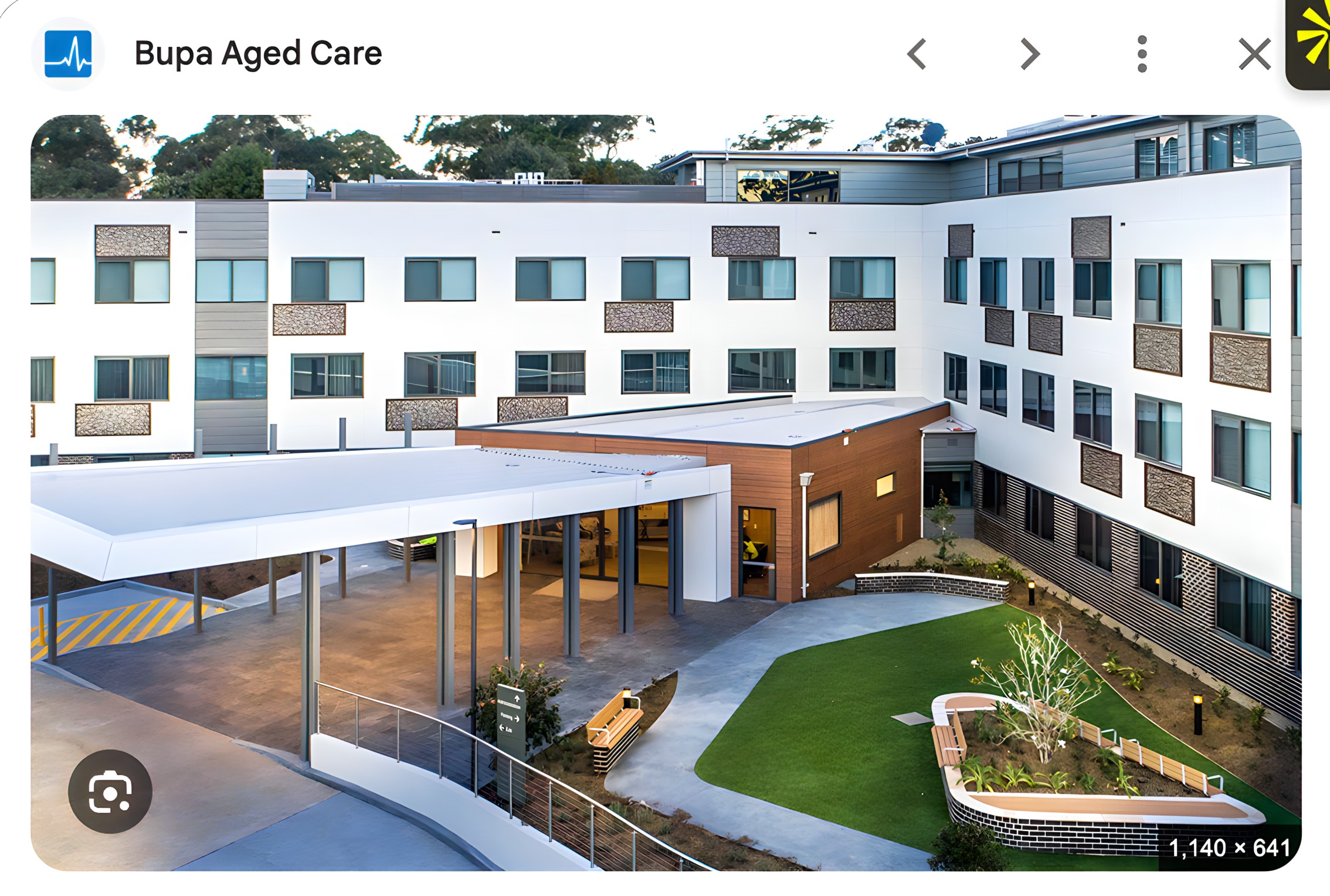
Contemporary Bupa aged care facility with landscaped courtyard and covered entrance

TAE: While build-to-rent and PBSA dominate living sector discussions, offshore institutional buyers have recently begun targeting Australian aged care portfolios. What is driving this cross-border interest in a historically regulated asset class?

Vanessa: Aged care is a frontier within the broader living sector that has received relatively little airtime over the past decade. Driven by an aging population that is living longer, there is a need for secure, multi-tier care facilities that can transition older residents out of the established housing market, thereby freeing up residential stock for families. Following structural reviews and regulatory revisions that have brought greater understanding and assurance to the sector, we have seen capital from Singapore and Korea step into Australian portfolios. It requires specialised operational expertise, but the long-term demographic fundamentals make it a persuasive play for patient institutional capital.

Data Centres, Power Constraints, and Land Use

Data centre server room corridor with illuminated server racks

TAE: Australia ranks second globally for data centre investment attractiveness, yet power grid constraints and industrial land shortages are intensifying. How are operators navigating this infrastructure bottleneck?

Vanessa: Data centres have moved from niche infrastructure plays into mainstream institutional portfolios, underpinned by growth in cloud computing, domestic data sovereignty requirements, and artificial intelligence. However, power availability has become the primary constraint on new development. A single modern facility can consume electricity equivalent to hundreds of commercial office buildings, forcing operators to secure sites years in advance with strong substation infrastructure. While Sydney remains our primary interconnection hub, grid connection queues exceeding 18 months have accelerated development in Melbourne because of lower land costs and a cooler climate that improves cooling efficiency. Regional gateways like Perth and Brisbane are also capturing major capital as subsea cable connectivity expands.

ESG Realities within Digital Infrastructure

TAE: For global institutional funds bound by net-zero mandates, the soaring energy and water consumption of data centres presents an ESG tension. How is the sector integrating growth with sustainability requirements?

Vanessa: The environmental effect of data centres is real: they currently account for roughly one per cent of Australia’s total electricity consumption, a figure projected to climb over the next few years, alongside intensive water use for cooling. For institutional investors with formal ESG commitments, this requires scrutiny of renewable energy procurement and state-of-the-art cooling technologies. Despite these complications, tenant stickiness remains high because migrating critical IT infrastructure is operationally challenging. With long-term leases extending past a decade and prime cap rates sitting below five per cent, operators that successfully integrate sustainable energy sourcing will attract institutional backing.

Industrial Automation and AI Integration

TAE: Beyond data centres, industrial logistics has been Australia’s traded asset class. How are artificial intelligence and automation reshaping tenant requirements for warehouse and distribution assets?

Vanessa: Artificial intelligence and robotics are transitioning from back-office novelties to the operational core of modern logistics. Driven by persistent labour shortages and rising labour costs, automated storage and retrieval systems and autonomous mobile robots are becoming standard expectations for major occupiers. This shift demands higher electrical capacity, advanced data infrastructure, and superior floor specifications. In major logistics corridors such as Western Sydney, where developable land with water and sewer connections is scarce, landlords of older secondary stock face growing obsolescence risks. The future belongs to technologically adaptable, well-located facilities that enable occupiers to maximise cubic efficiency.

Strategic Guidance for APAC Capital

“Capital is ready to deploy; the key is matching with assets engineered for structural demands rather than past supply.”

Australia’s macroeconomic fundamentals remain strong, underpinned by persistent population growth, structural undersupply across residential, student, and industrial sectors, and world-class transparency. However, cross-border investors must look beyond headline yields. Success in the current cycle requires partnering with experienced local operators who understand the details of planning approvals, grid capacity constraints, and alternative asset structuring, whether that entails deploying modular construction, tapping into regional student hubs, or securing power-secured data centre sites.

Melbourne Build 2026

25 & 26 November 2026

Melbourne Exhibition and Convention Centre

Vanessa’s Sessions

25 November 2026 · 12:00 to 12:50

Panel: The Future Outlook for Housing in Victoria and Australia

25 November 2026 · 16:00 to 16:50

Panel: From Industrial Land to AI Corridors: The Future of Data Centre Development in Melbourne

Join 20,000+ property industry attendees, world-class speakers, and insightful seminars, and participate in industry networking. All this and more is absolutely free when you register via our dedicated link.

Register Free

Membership Invitation

Stay ahead of the Australia-Asia commercial corridor.

Join as a Professional Member to receive each edition of The Asian Executive directly in your inbox, with exclusive access to long-form interviews, market intelligence, and private editorial features curated for senior decision makers.

Become a Professional Member

THE ASIAN EXECUTIVE

For more on Australia-Asia property and investment, subscribe to The Asian Executive.